Overview
Overview
Overview
Overview
The Rules Engine is a powerful feature designed to automate tasks.
Tailored with the use cases of security analysts in mind, this functionality empowers users to streamline processes and enhance efficiency by automating tasks that can be handled without direct human involvement.
The user has the ability to choose a trigger, and subsequently, an action associated with that trigger will be executed when it is initiated. Additionally, conditions can be incorporated, and the action will only take place if these conditions are met.
The Rules Engine is a powerful feature designed to automate tasks.
Tailored with the use cases of security analysts in mind, this functionality empowers users to streamline processes and enhance efficiency by automating tasks that can be handled without direct human involvement.
The user has the ability to choose a trigger, and subsequently, an action associated with that trigger will be executed when it is initiated. Additionally, conditions can be incorporated, and the action will only take place if these conditions are met.
The Rules Engine is a powerful feature designed to automate tasks.
Tailored with the use cases of security analysts in mind, this functionality empowers users to streamline processes and enhance efficiency by automating tasks that can be handled without direct human involvement.
The user has the ability to choose a trigger, and subsequently, an action associated with that trigger will be executed when it is initiated. Additionally, conditions can be incorporated, and the action will only take place if these conditions are met.
The Problem
The Problem
The Problem
The Problem
The challenge is to create a functionality that enables clients to automate actions and reduce dependency on analysts, while allowing analysts to trigger specific actions in response to events, and avoiding repetitive steps for similar events.
The goal is to provide an easy-to-use automation feature that streamlines processes with just a few simple steps.
The challenge is to create a functionality that enables clients to automate actions and reduce dependency on analysts, while allowing analysts to trigger specific actions in response to events, and avoiding repetitive steps for similar events.
The goal is to provide an easy-to-use automation feature that streamlines processes with just a few simple steps.
The challenge is to create a functionality that enables clients to automate actions and reduce dependency on analysts, while allowing analysts to trigger specific actions in response to events, and avoiding repetitive steps for similar events.
The goal is to provide an easy-to-use automation feature that streamlines processes with just a few simple steps.
User Flow
User Flow
User Flow
User Flow
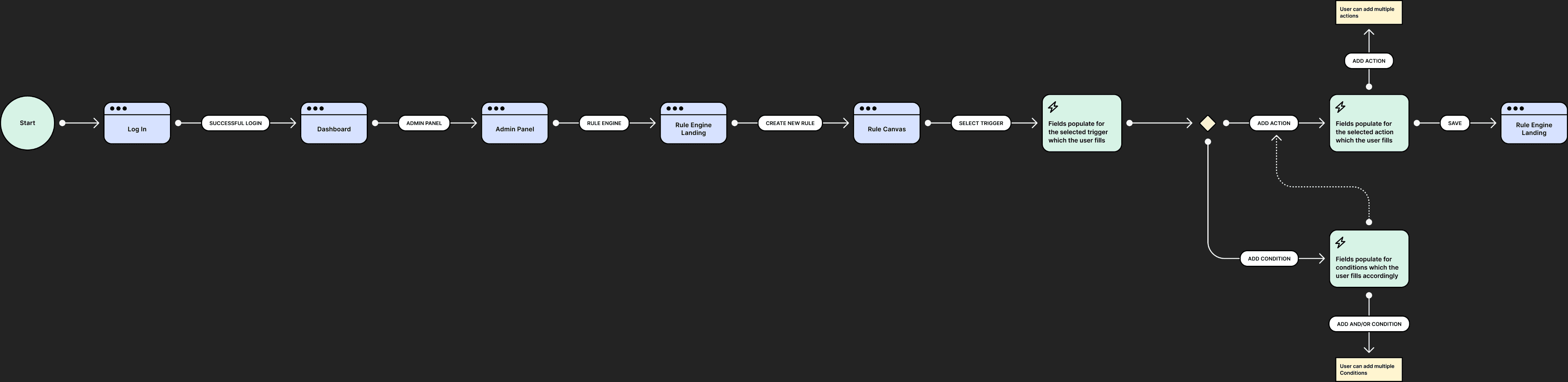
Using the insights from conversations with in-house security analysts, along with the understanding of user needs and research on different use cases, I developed a user flow that emphasises performing actions quickly and efficiently through a user-friendly interface.
Using the insights from conversations with in-house security analysts, along with the understanding of user needs and research on different use cases, I developed a user flow that emphasises performing actions quickly and efficiently through a user-friendly interface.
Using the insights from conversations with in-house security analysts, along with the understanding of user needs and research on different use cases, I developed a user flow that emphasises performing actions quickly and efficiently through a user-friendly interface.
Market Research
Market Research
Market Research
Market Research
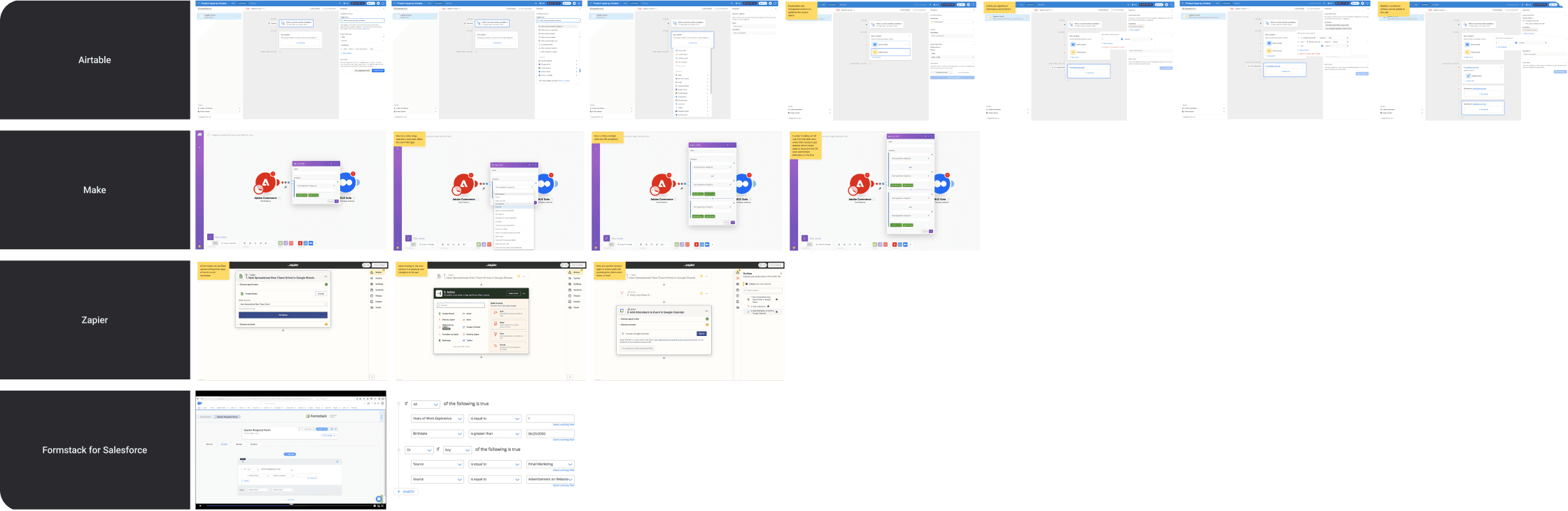
I performed comprehensive competitor research on products that incorporated rules or automation as a key feature. This helped me understand what worked well and what didn't, and I considered how it could apply to our own product while considering the use cases relevant to us.
Among all the competitors, I have highlighted a select few below that have made a substantial contribution
I performed comprehensive competitor research on products that incorporated rules or automation as a key feature. This helped me understand what worked well and what didn't, and I considered how it could apply to our own product while considering the use cases relevant to us.
Among all the competitors, I have highlighted a select few below that have made a substantial contribution
I performed comprehensive competitor research on products that incorporated rules or automation as a key feature. This helped me understand what worked well and what didn't, and I considered how it could apply to our own product while considering the use cases relevant to us.
Among all the competitors, I have highlighted a select few below that have made a substantial contribution
Some of my learnings that I took forward are:
Some of my learnings that I took forward are:
Some of my learnings that I took forward are:
It's better to keep all the buttons and options together instead of using a separate side panel, so users don't have to move around as much.
Using expandable and collapsible sections helps optimise screen space.
Only one section should be open at a time to avoid confusion.
Briefly showing previous selections in collapsed sections makes it easier for users to make choices in the following sections.
It's better to keep all the buttons and options together instead of using a separate side panel, so users don't have to move around as much.
Using expandable and collapsible sections helps optimise screen space.
Only one section should be open at a time to avoid confusion.
Briefly showing previous selections in collapsed sections makes it easier for users to make choices in the following sections.
It's better to keep all the buttons and options together instead of using a separate side panel, so users don't have to move around as much.
Using expandable and collapsible sections helps optimise screen space.
Only one section should be open at a time to avoid confusion.
Briefly showing previous selections in collapsed sections makes it easier for users to make choices in the following sections.


Wireframes
Wireframes
Wireframes
Wireframes
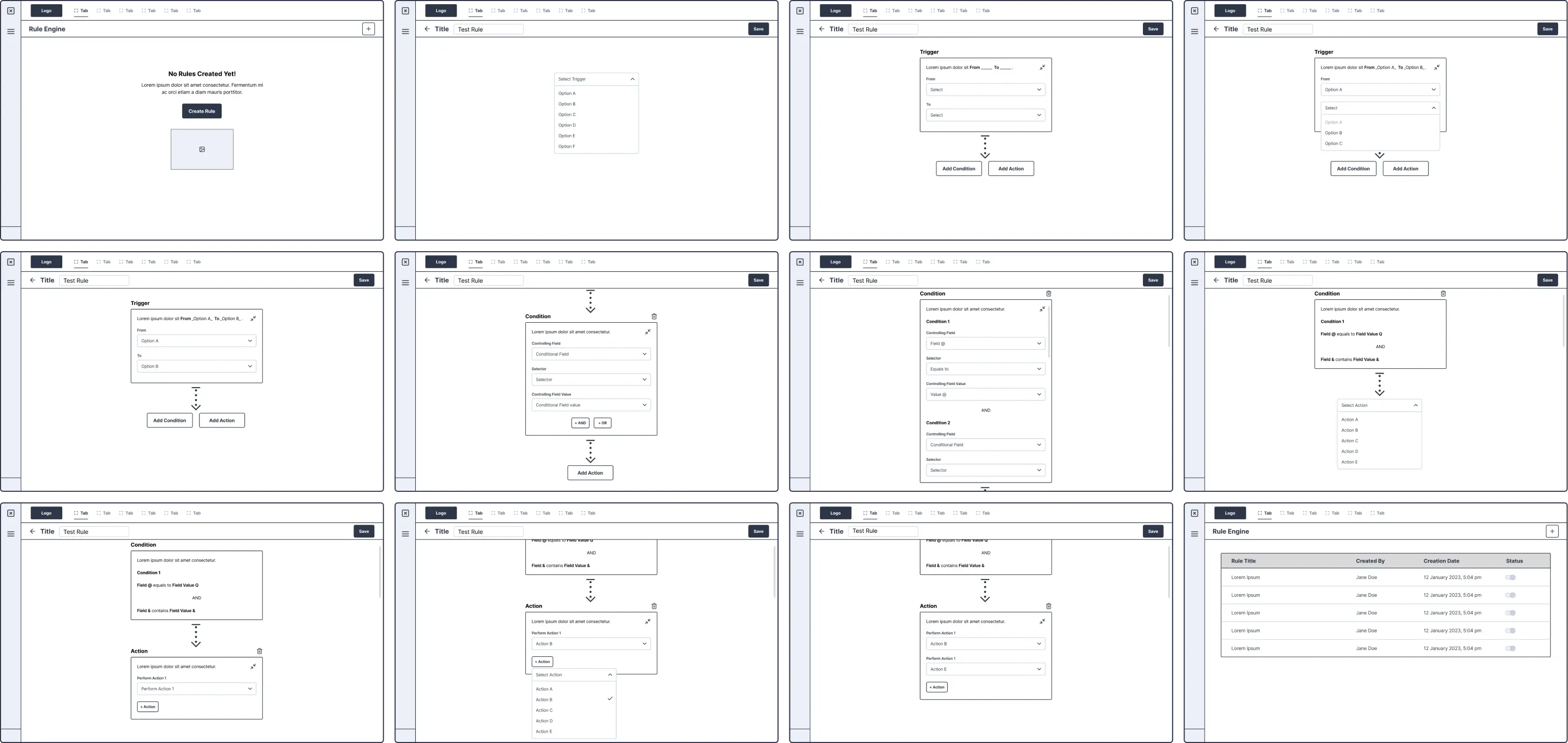
After conducting research and identifying useful patterns, I proceeded to work on the wireframes. Swiftly sketching out the user flows, I translated the research findings into multiple screens that depicted the entire process. Throughout the process, I constantly questioned myself to ensure the user flow made sense in the final wireframe design. The wireframes were then reviewed by the design and product managers.
After conducting research and identifying useful patterns, I proceeded to work on the wireframes. Swiftly sketching out the user flows, I translated the research findings into multiple screens that depicted the entire process. Throughout the process, I constantly questioned myself to ensure the user flow made sense in the final wireframe design. The wireframes were then reviewed by the design and product managers.
After conducting research and identifying useful patterns, I proceeded to work on the wireframes. Swiftly sketching out the user flows, I translated the research findings into multiple screens that depicted the entire process. Throughout the process, I constantly questioned myself to ensure the user flow made sense in the final wireframe design. The wireframes were then reviewed by the design and product managers.


Final Thoughts
Final Thoughts
Final Thoughts
In conclusion, this design case study showcases how thoughtful research and user-focused methodologies led to a scalable and intuitive solution. With the ability to handle complex triggers and actions, it efficiently streamlines automation across our diverse product offerings. The positive reception from the in house security analysts during test runs validates its effectiveness. The design not only addresses current needs but also sets the stage for future innovation.
In conclusion, this design case study showcases how thoughtful research and user-focused methodologies led to a scalable and intuitive solution. With the ability to handle complex triggers and actions, it efficiently streamlines automation across our diverse product offerings. The positive reception from the in house security analysts during test runs validates its effectiveness. The design not only addresses current needs but also sets the stage for future innovation.
Visual Design
Visual Design
Visual Design
Visual Design
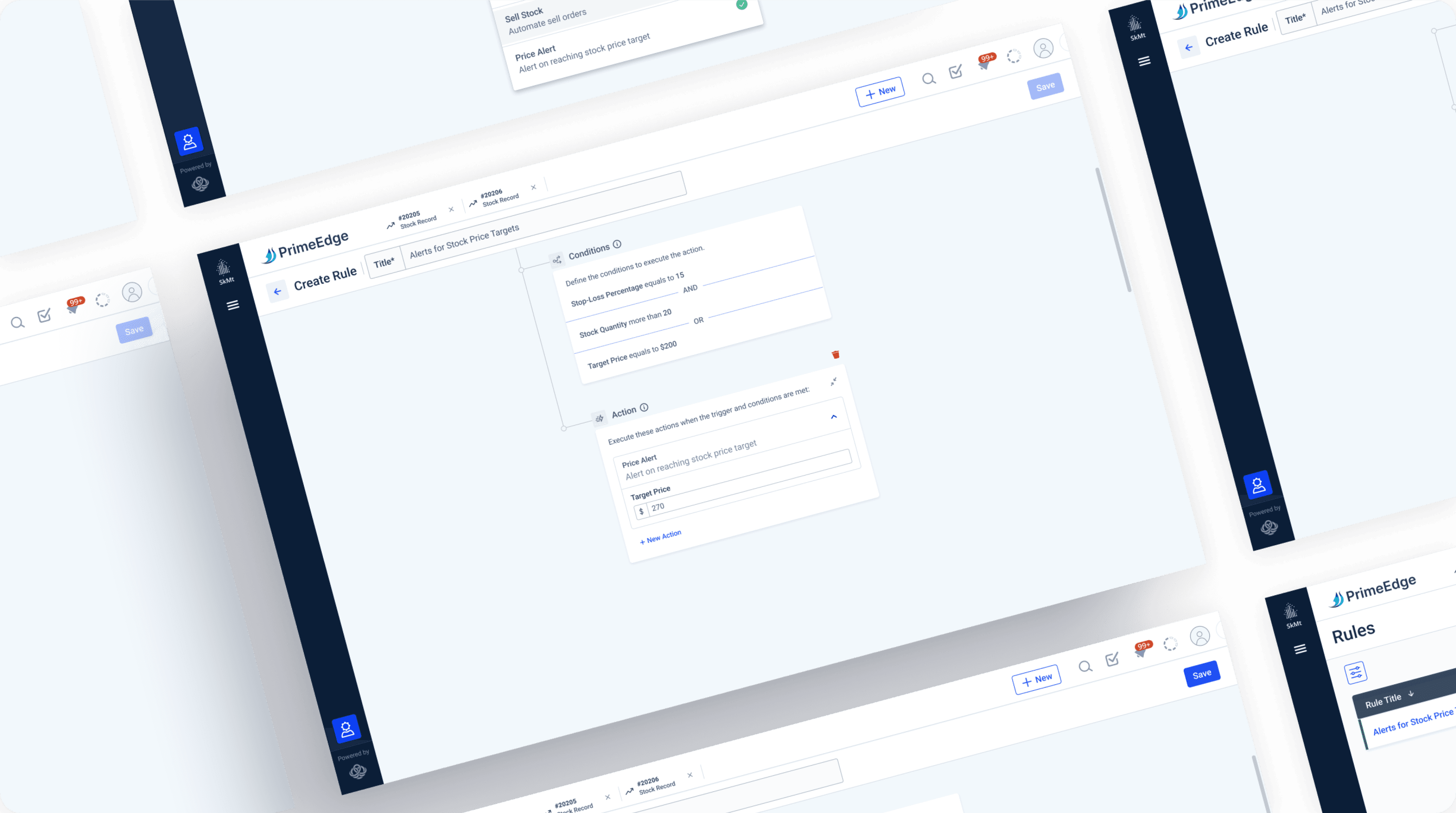
With the assistance of the design system, the wireframes were transformed into actual designs. Initially, the design and the product manager were involved at the wireframing stage, but as the designs became more refined, we were able to seek feedback and review from other stakeholders as well including the in-house Security Analysts.
With the assistance of the design system, the wireframes were transformed into actual designs. Initially, the design and the product manager were involved at the wireframing stage, but as the designs became more refined, we were able to seek feedback and review from other stakeholders as well including the in-house Security Analysts.
With the assistance of the design system, the wireframes were transformed into actual designs. Initially, the design and the product manager were involved at the wireframing stage, but as the designs became more refined, we were able to seek feedback and review from other stakeholders as well including the in-house Security Analysts.
With the assistance of the design system, the wireframes were transformed into actual designs. Initially, the design and the product manager were involved at the wireframing stage, but as the designs became more refined, we were able to seek feedback and review from other stakeholders as well including the in-house Security Analysts.
With the assistance of the design system, the wireframes were transformed into actual designs. Initially, the design and the product manager were involved at the wireframing stage, but as the designs became more refined, we were able to seek feedback and review from other stakeholders as well including the in-house Security Analysts.
Please note: Content and logos have been altered for confidentiality. Designs were not intended for the depicted use cases.
Please note: Content and logos have been altered for confidentiality. Designs were not intended for the depicted use cases.
Please note: Content and logos have been altered for confidentiality. Designs were not intended for the depicted use cases.
Additional Possibilities
Additional Possibilities
Additional Possibilities
Additional Possibilities
The designs were created with scalability in mind, considering the company's various products. This opens up numerous possibilities, not only for accommodating automation requirements from other products but also for the following features:
Adding multiple conditional actions.
Allowing users to add conditions even after selecting an action.
Accommodating more complex triggers and actions with minor adjustments.
Implementing test runs to ensure the rules are working correctly.
Please note that while some of these features were originally part of the designs, they were later removed due to technical limitations or their perceived importance at that time.
The designs were created with scalability in mind, considering the company's various products. This opens up numerous possibilities, not only for accommodating automation requirements from other products but also for the following features:
Adding multiple conditional actions.
Allowing users to add conditions even after selecting an action.
Accommodating more complex triggers and actions with minor adjustments.
Implementing test runs to ensure the rules are working correctly.
Please note that while some of these features were originally part of the designs, they were later removed due to technical limitations or their perceived importance at that time.
The designs were created with scalability in mind, considering the company's various products. This opens up numerous possibilities, not only for accommodating automation requirements from other products but also for the following features:
Adding multiple conditional actions.
Allowing users to add conditions even after selecting an action.
Accommodating more complex triggers and actions with minor adjustments.
Implementing test runs to ensure the rules are working correctly.
Please note that while some of these features were originally part of the designs, they were later removed due to technical limitations or their perceived importance at that time.